Spicy Food and Intrauterine Growth Restriction Risk: Can Your Diet Affect Baby's Growth?
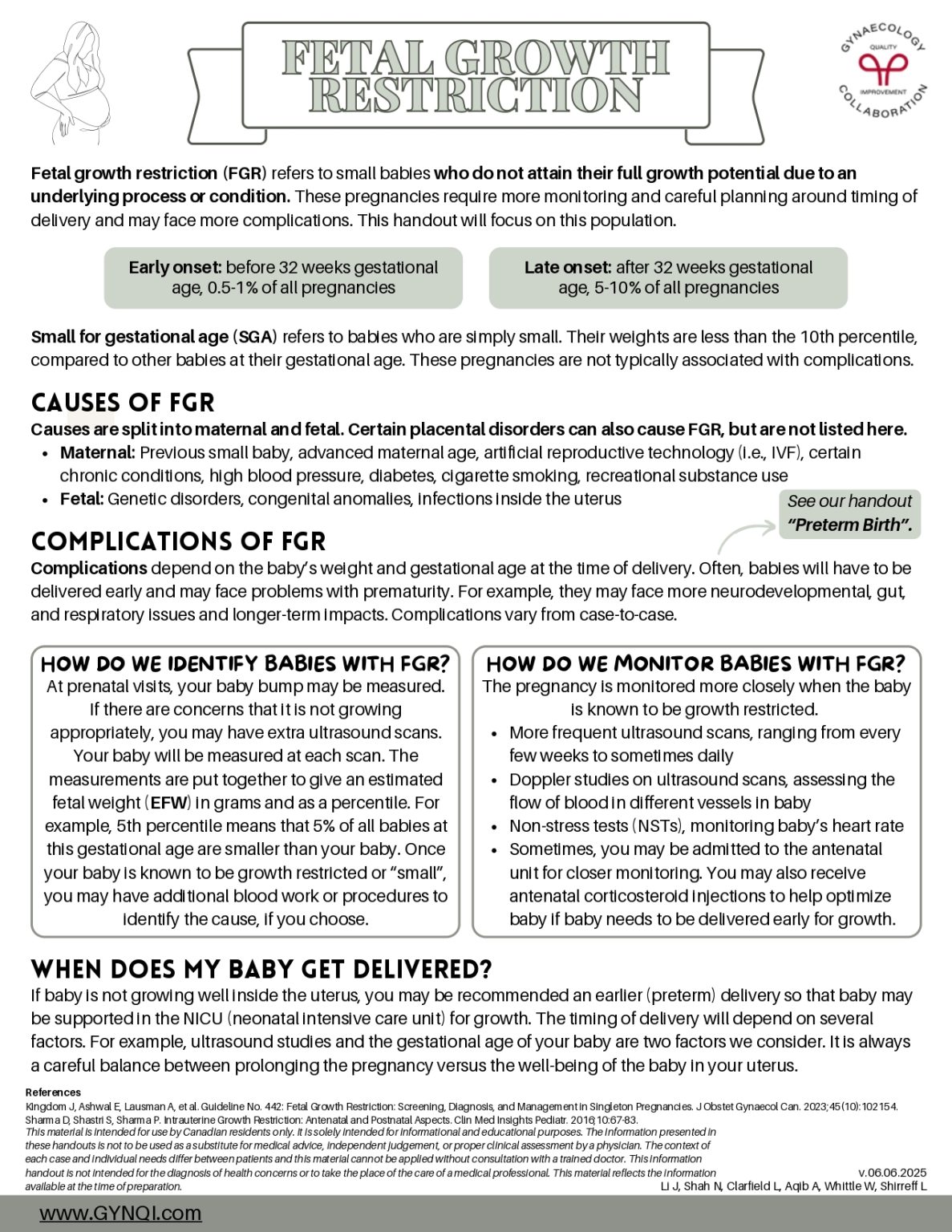
Research suggests that a mother's diet during pregnancy can influence fetal growth, and spicy food consumption may be one factor contributing to IUGR risk. A study published in the Journal of Nutrition found that pregnant women who consumed spicy food often had babies with lower birth weights and increased risk of IUGR. However, it's essential to note that the relationship between spicy food consumption and IUGR risk is not fully understood and requires further research.
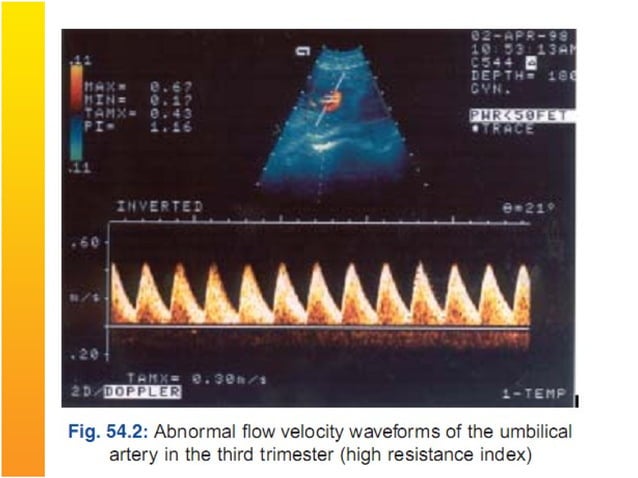
One possible explanation for the link between spicy food and IUGR risk is the inflammatory response triggered by capsaicin, the compound responsible for the heat in chili peppers. Capsaicin can increase oxidative stress and inflammation, which may affect placental function and lead to IUGR. Additionally, spicy food may also alter the gut microbiome, potentially impacting fetal growth and development.
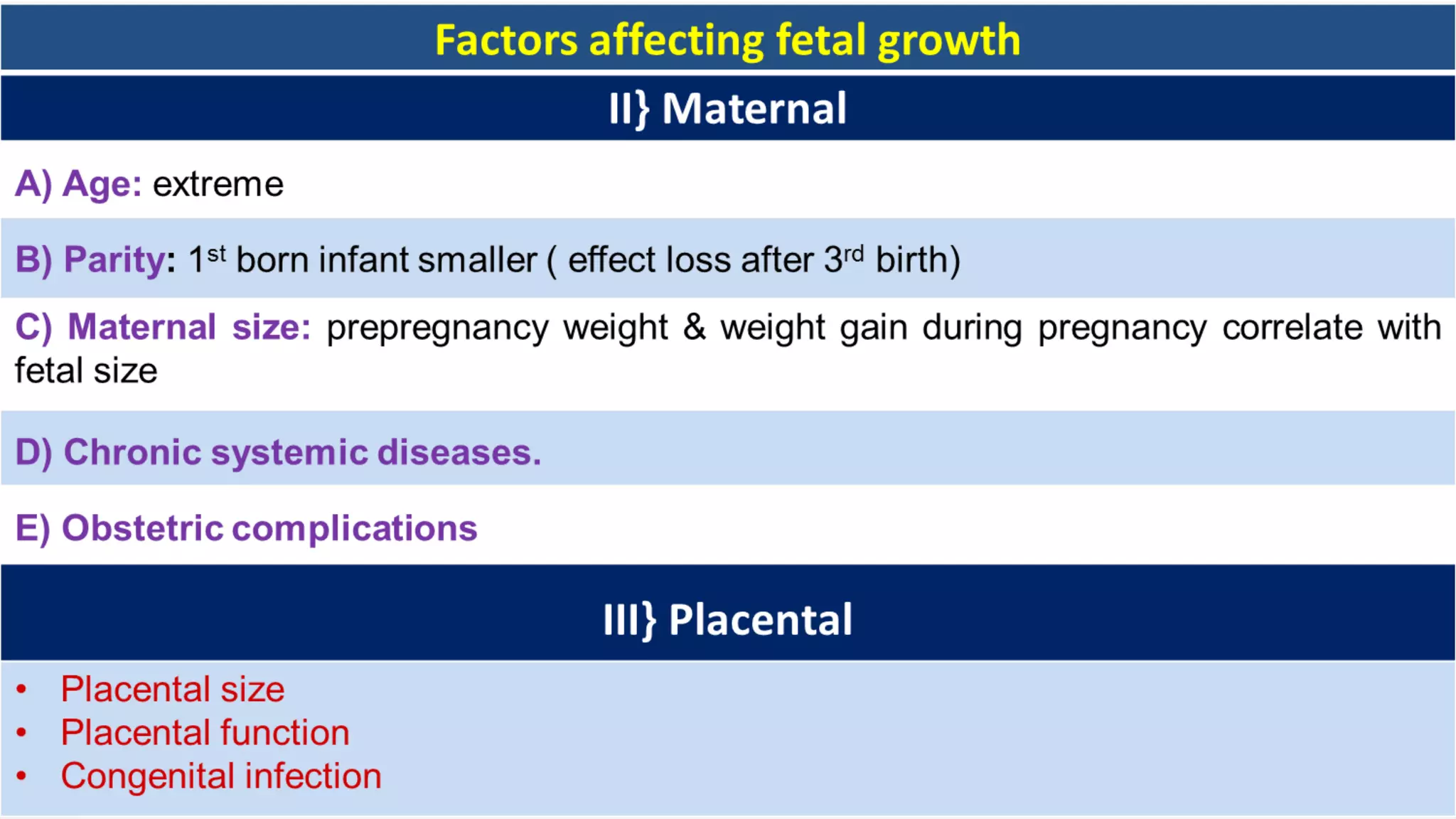
Furthermore, visual representations like the one above help us fully grasp the concept of Spicy Food And Intrauterine Growth Restriction Risk.
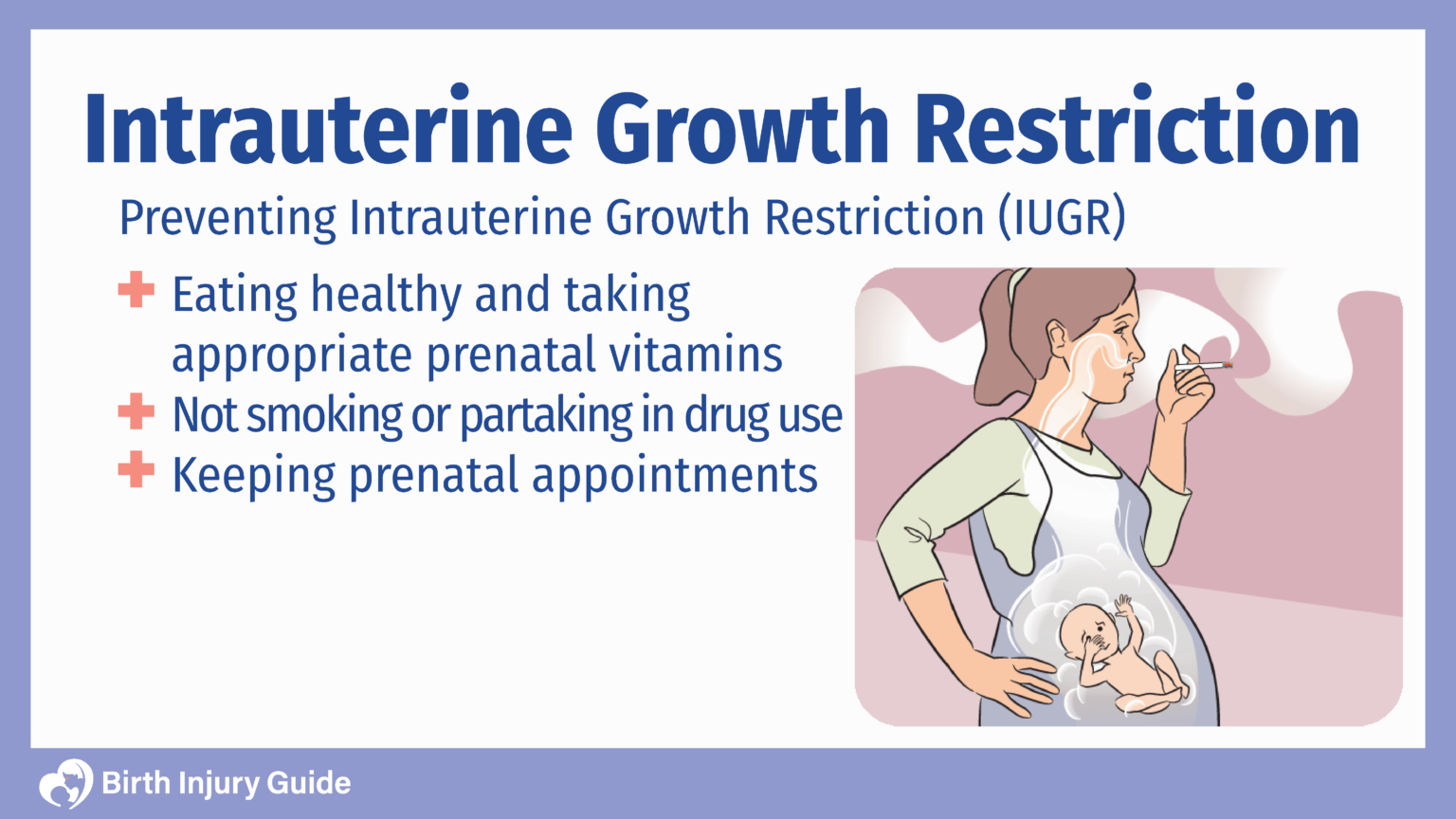
By prioritizing a healthy diet and lifestyle, you can reduce the risk of IUGR and support your baby's growth and development. While spicy food consumption may be a contributing factor to IUGR risk, it's not the only consideration. Focus on nutrient-dense foods and essential nutrients to give your baby the best possible start in life.