Symptoms of Cow Milk Intolerance in Cats
Many cats love the taste of cow's milk and other dairy products, which prompts their owners to give it as a treat. However, cats with very little or no lactase enzymes are unable to digest the milk and instead attempt to expel it from the system. The undigested lactose sugars in the intestinal tract begin to draw all sorts of bacteria, leading to a range of unpleasant symptoms.

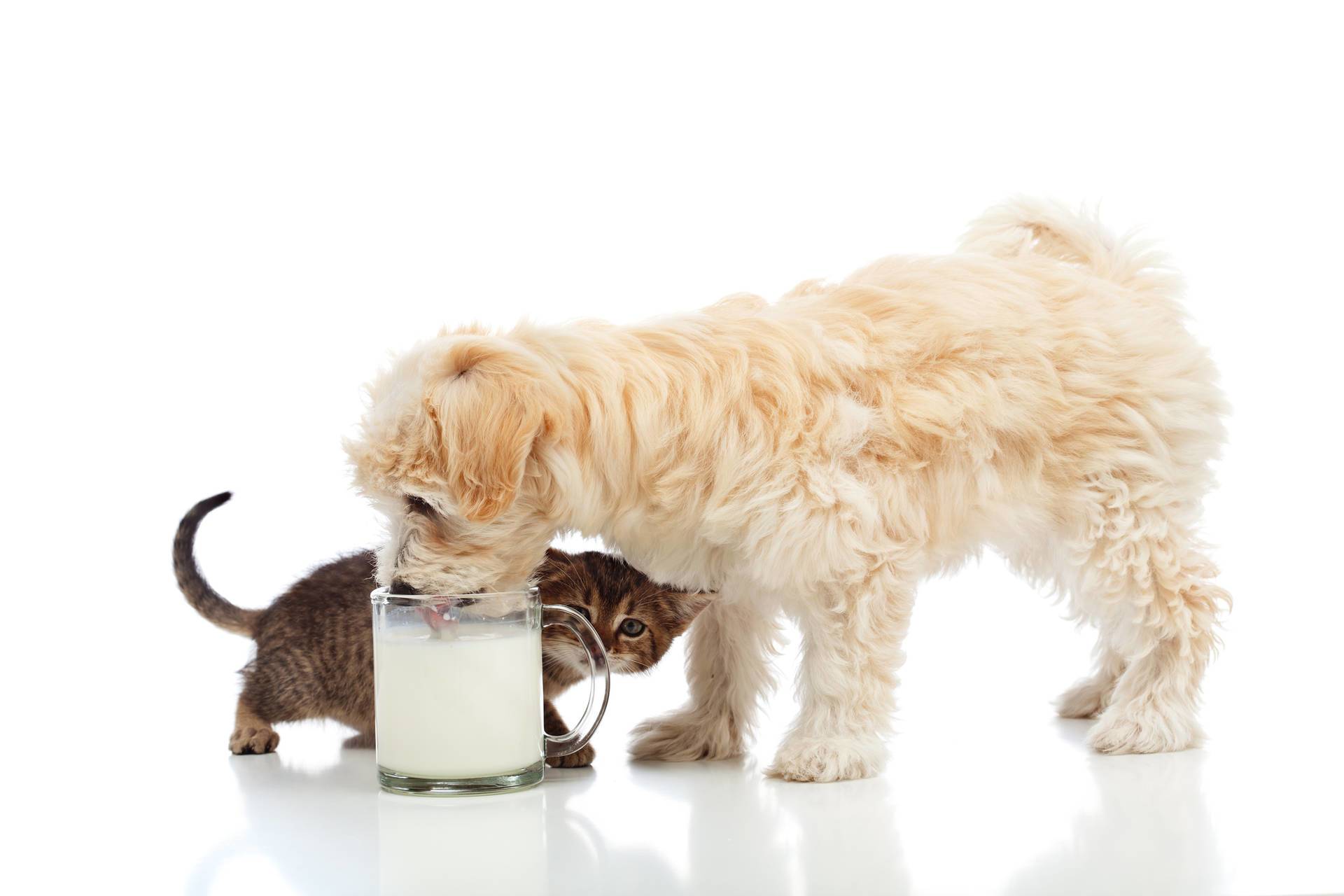
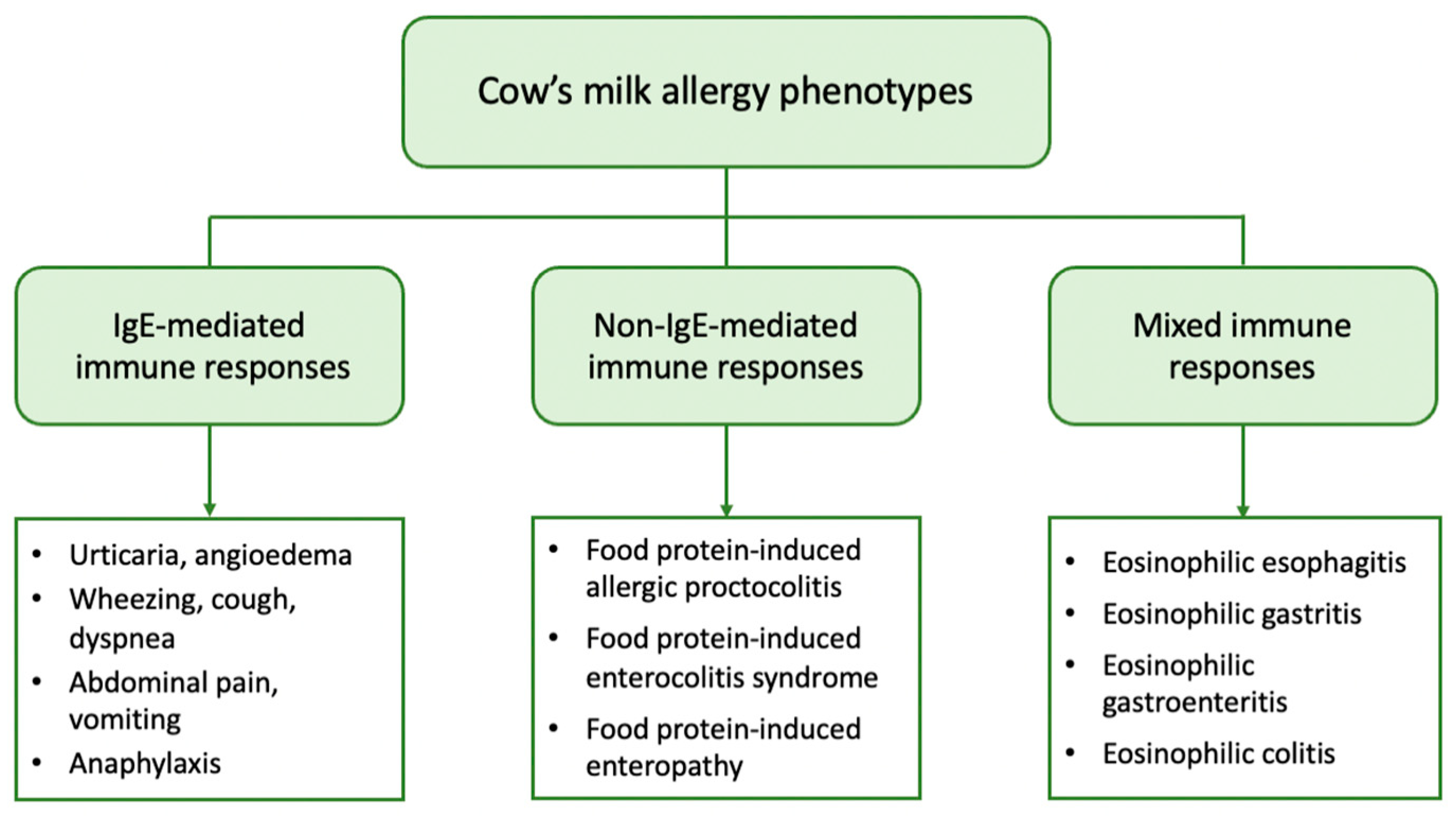
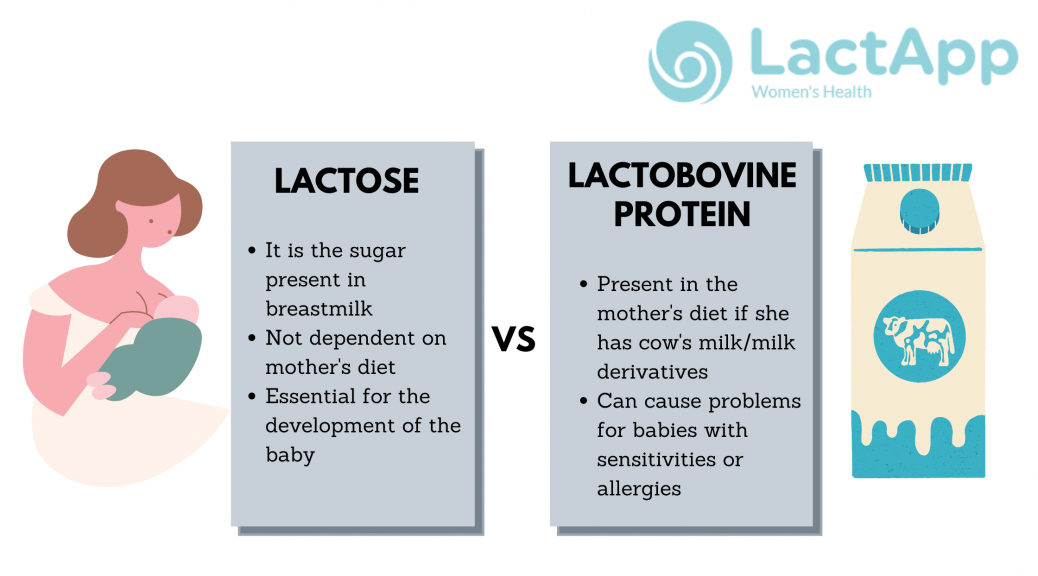
As we can see from the illustration, Symptoms Of Cow Milk Intolerance In Cats has many fascinating aspects to explore.
While cow's milk may seem like a harmless and even beneficial addition to a cat's diet, it can actually cause more harm than good. Adult cats have a low ability to digest lactose, and consuming milk can lead to digestive issues such as bloating, gas, and diarrhea. Kittens, in particular, are sensitive to dairy and may experience allergic reactions or intolerances to cow's milk.
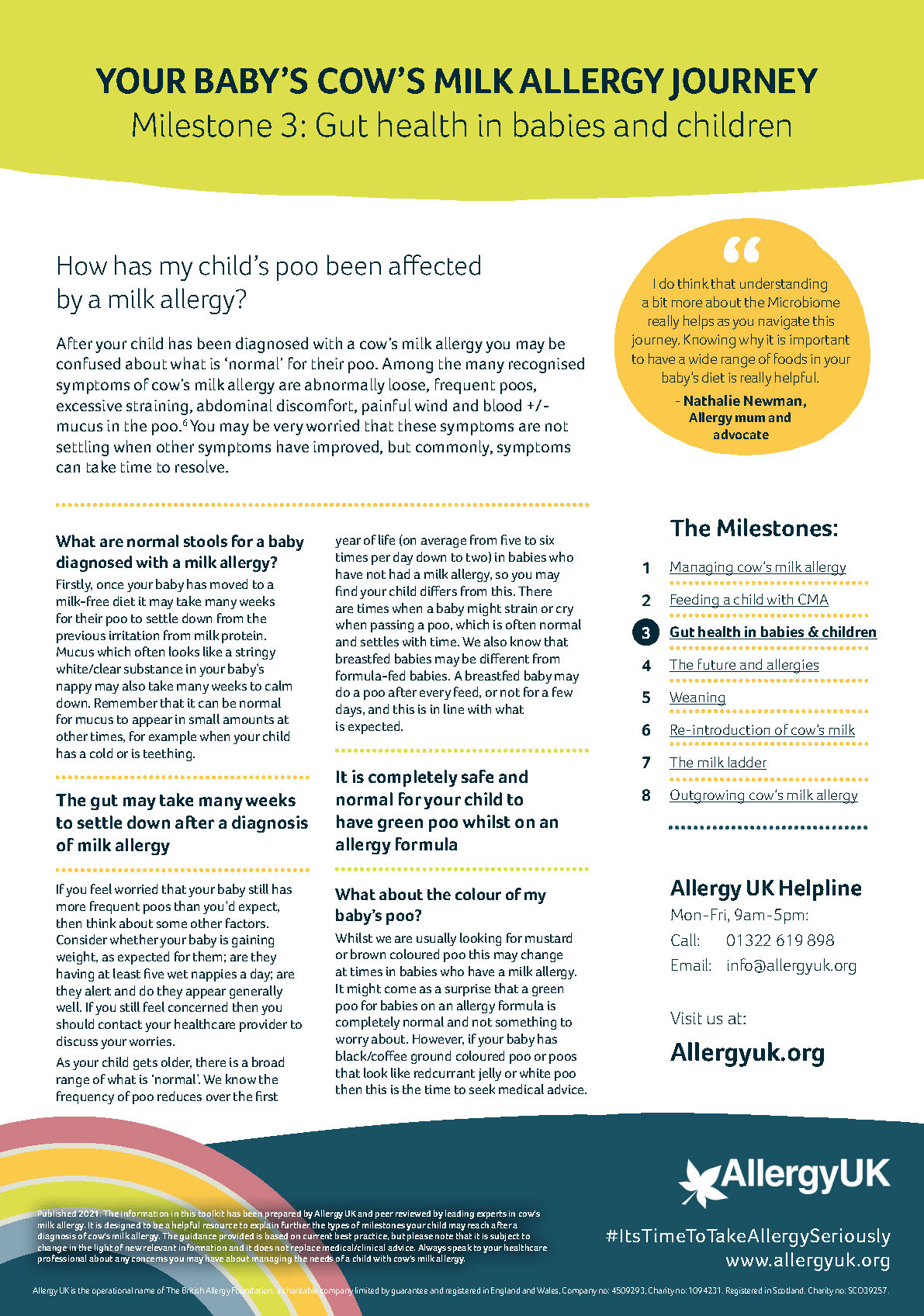
Furthermore, visual representations like the one above help us fully grasp the concept of Symptoms Of Cow Milk Intolerance In Cats.
Cats are generally lactose intolerant, and consuming cow's milk can lead to a range of unpleasant symptoms. Diarrhea, vomiting, and stomach cramps are just a few of the common symptoms of cow milk intolerance in cats. By understanding the reasons behind lactose intolerance and recognizing symptoms, you can take steps to prevent digestive issues and maintain your cat's overall health and well-being.