A Closer Look at Pineapple In Pregnancy And Fear Of Childbirth: Gallery & Guide
Pineapple in Pregnancy and Fear of Childbirth: Separating Fact from Fiction
Pregnancy can be a time of great excitement and anticipation, but it can also be a time of uncertainty and fear. One of the most common concerns that pregnant women face is what foods are safe to eat, especially when it comes to fruits like pineapple. In this article, we'll explore the myth that pineapple can cause miscarriage or labor, and whether it's safe to eat during pregnancy.
The Truth About Pineapple and Pregnancy
Pineapple In Pregnancy And Fear Of Childbirth
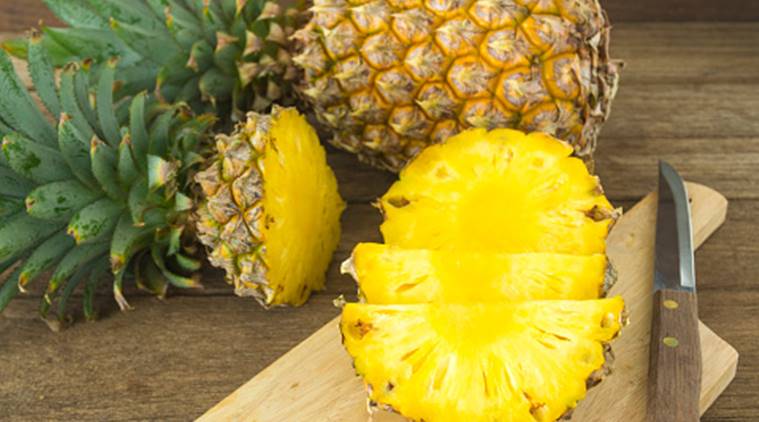
Such details provide a deeper understanding and appreciation for Pineapple In Pregnancy And Fear Of Childbirth.
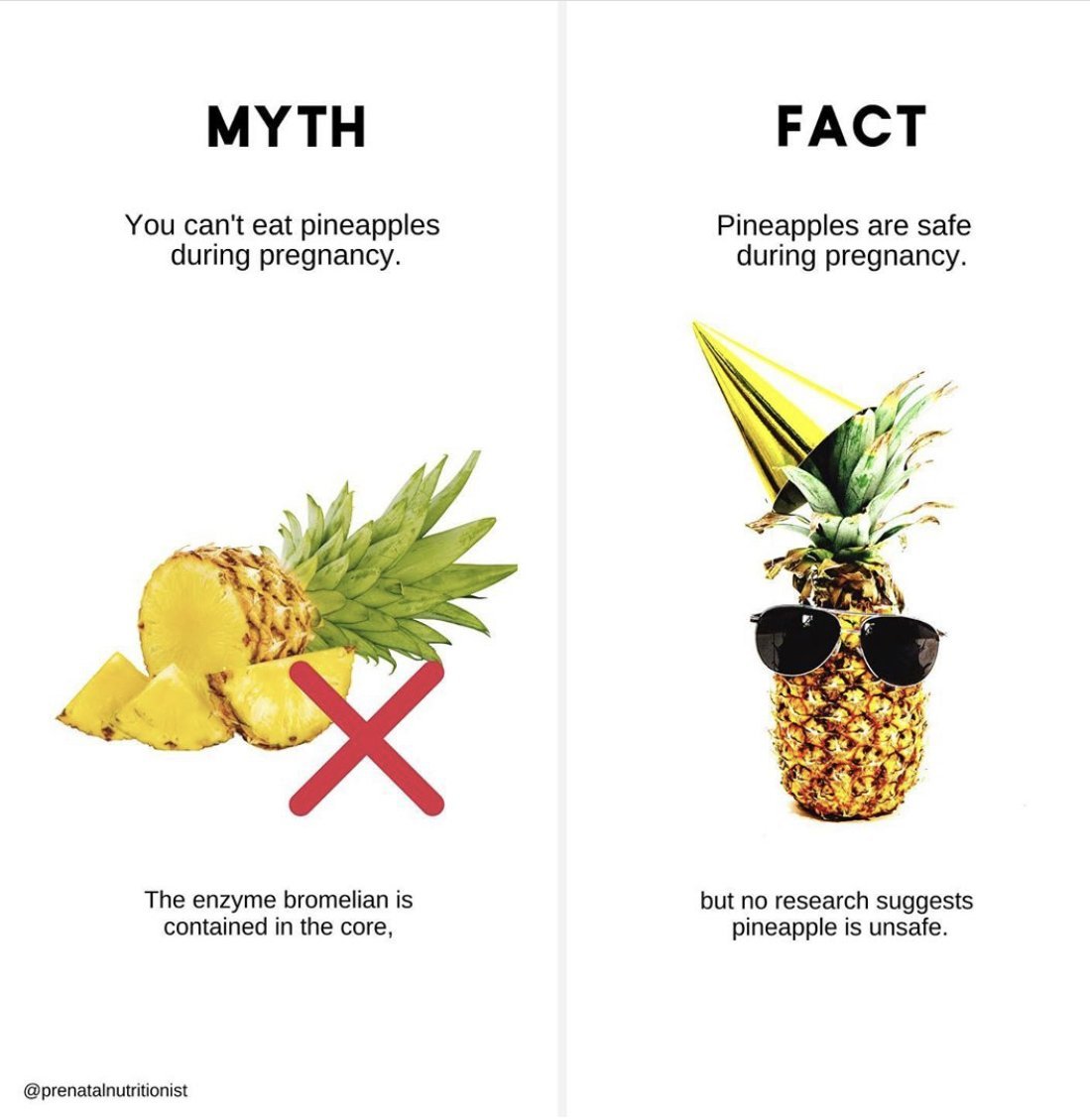
For many years, there has been a widespread myth that eating pineapple can cause miscarriage or labor. This myth likely originated from the fact that pineapple contains an enzyme called bromelain, which can soften cervical tissue. However, the amount of bromelain present in a standard serving of pineapple is far too low to have any significant effect on the uterus or pregnancy.
Pineapple: A Safe and Healthy Choice During Pregnancy
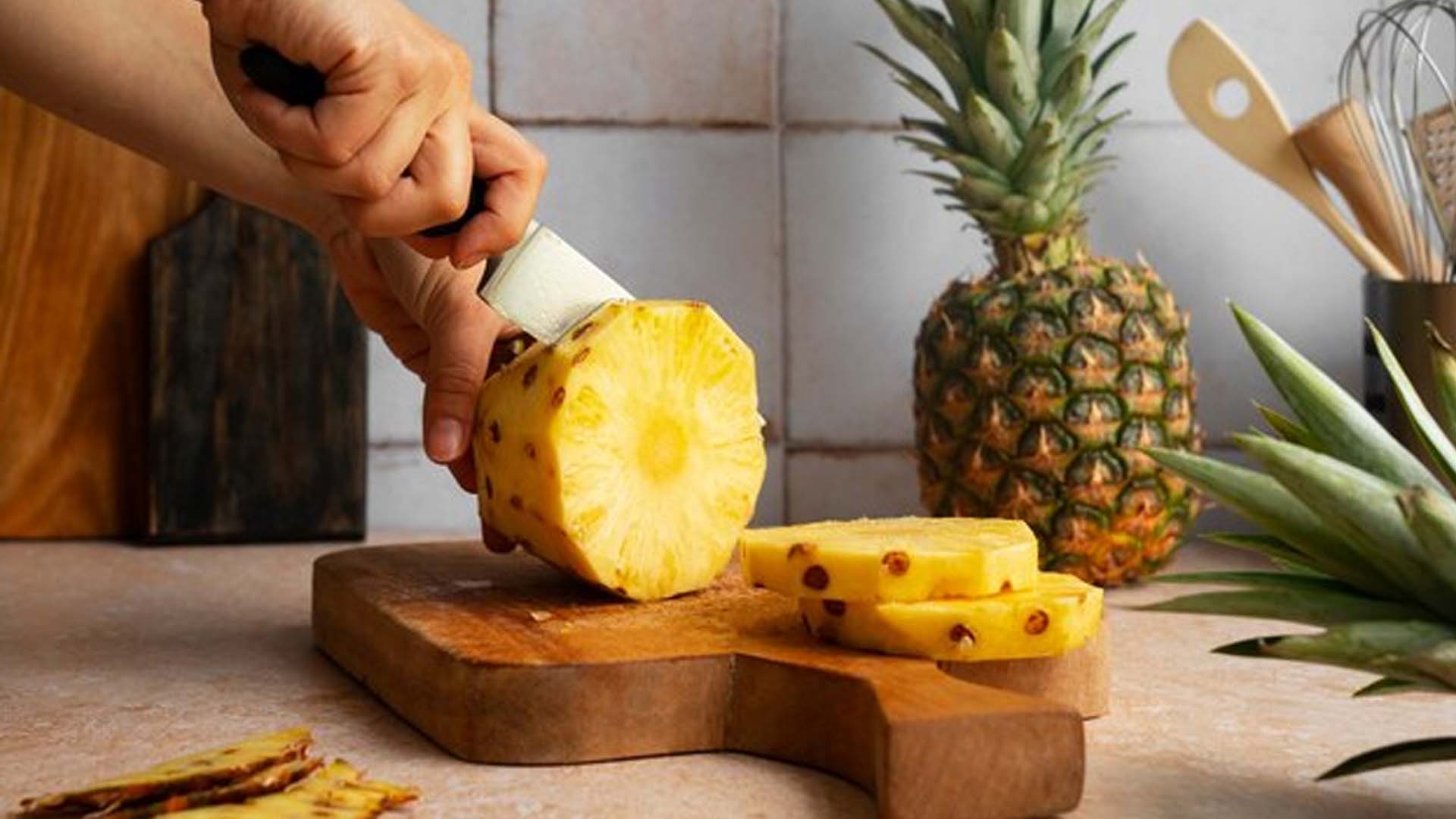
Pineapple In Pregnancy And Fear Of Childbirth
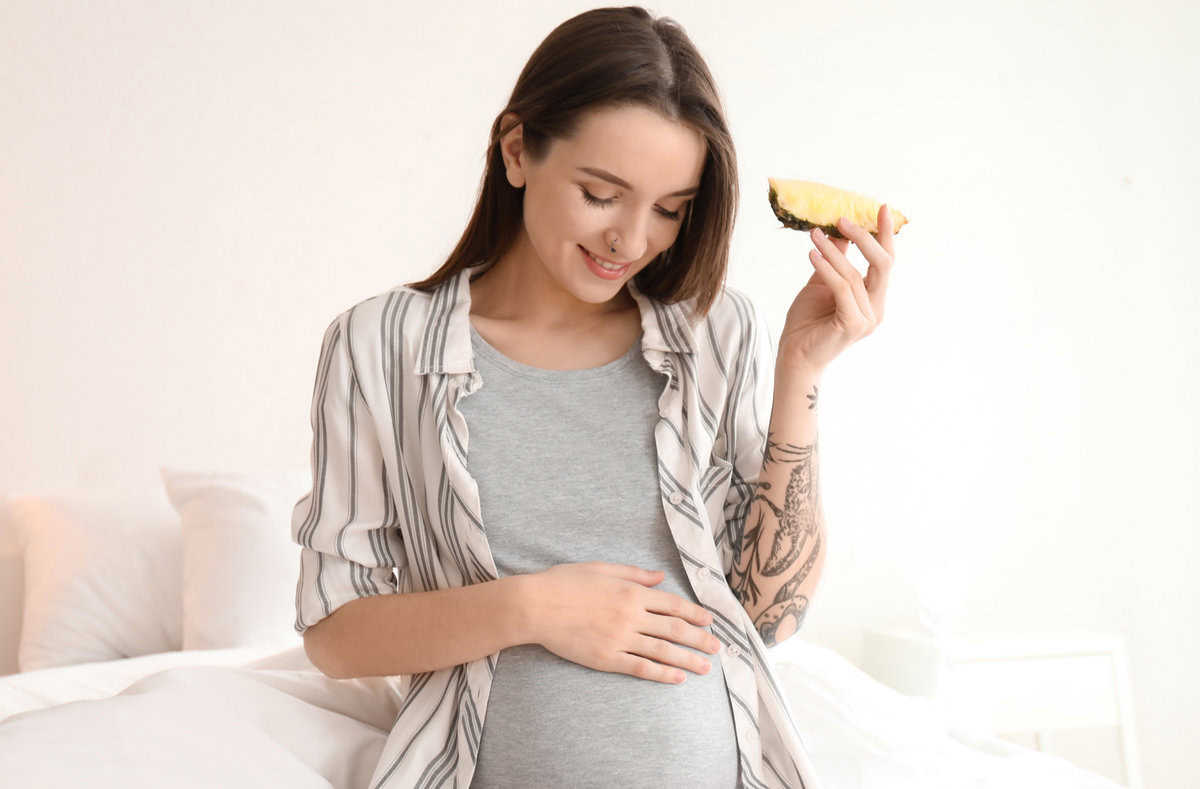
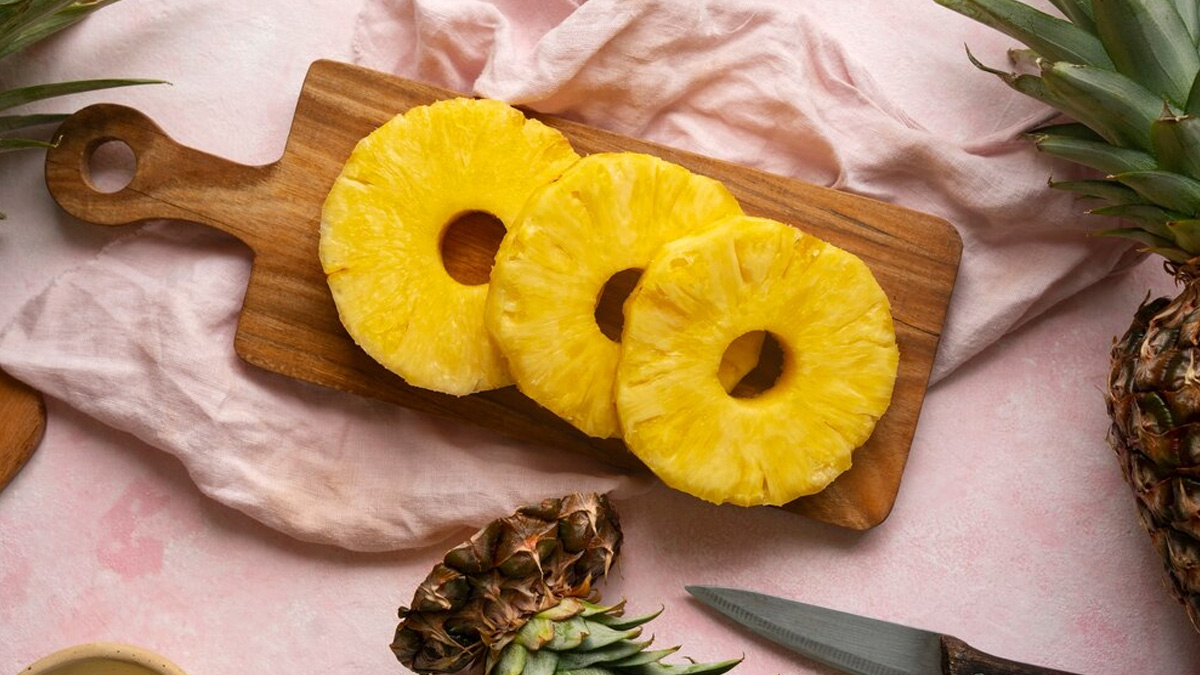
Pineapple is a nutrient-rich fruit that is packed with vitamins, minerals, and antioxidants. It's a great source of vitamin C, which is essential for immune function and fetal development. Pineapple also contains folate, which is crucial for preventing birth defects and supporting fetal growth. Additionally, pineapple is high in fiber, which can help to alleviate morning sickness and support digestive health.
Debunking the Myth: Is Pineapple Safe to Eat During Pregnancy?
Pineapple In Pregnancy And Fear Of Childbirth
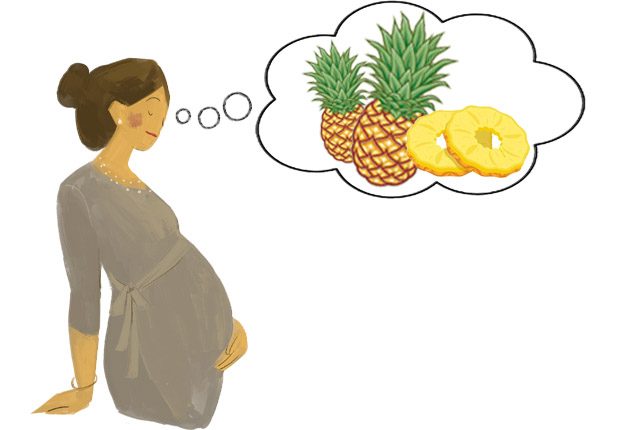
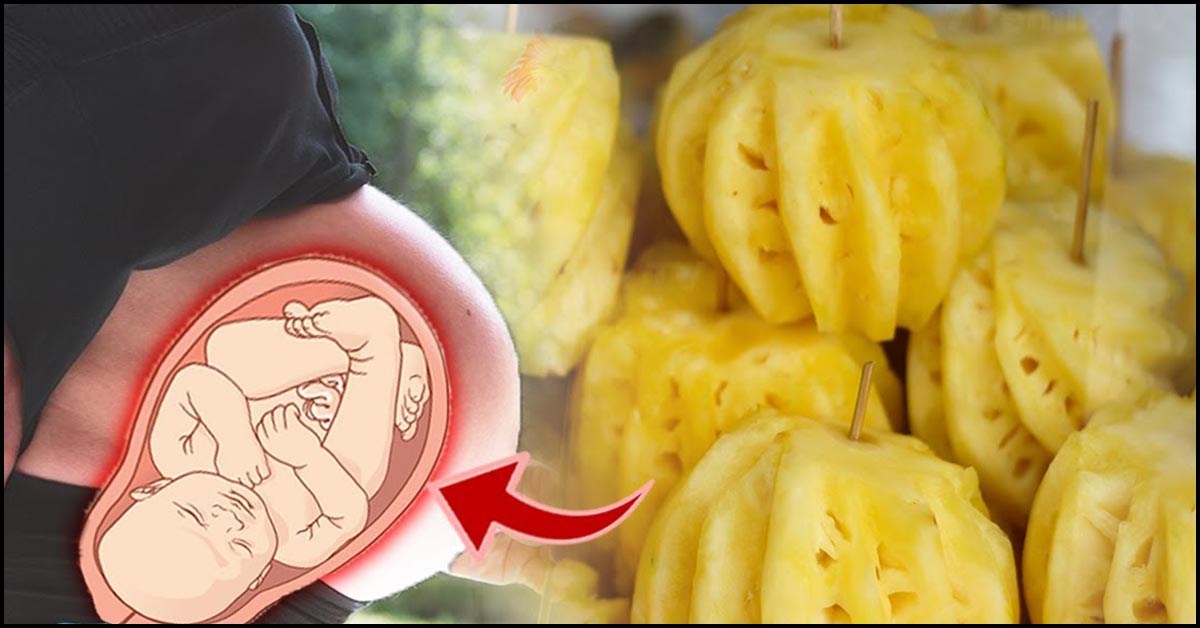
As we can see from the illustration, Pineapple In Pregnancy And Fear Of Childbirth has many fascinating aspects to explore.
Despite the myth that pineapple can cause miscarriage or labor, there is no scientific evidence to support this claim. In fact, numerous studies have shown that eating pineapple during pregnancy is safe and even beneficial. A 2011 study found that there was no correlation between eating pineapple and early labor or miscarriage. Other studies have also found that pineapple is a safe and healthy choice during pregnancy.
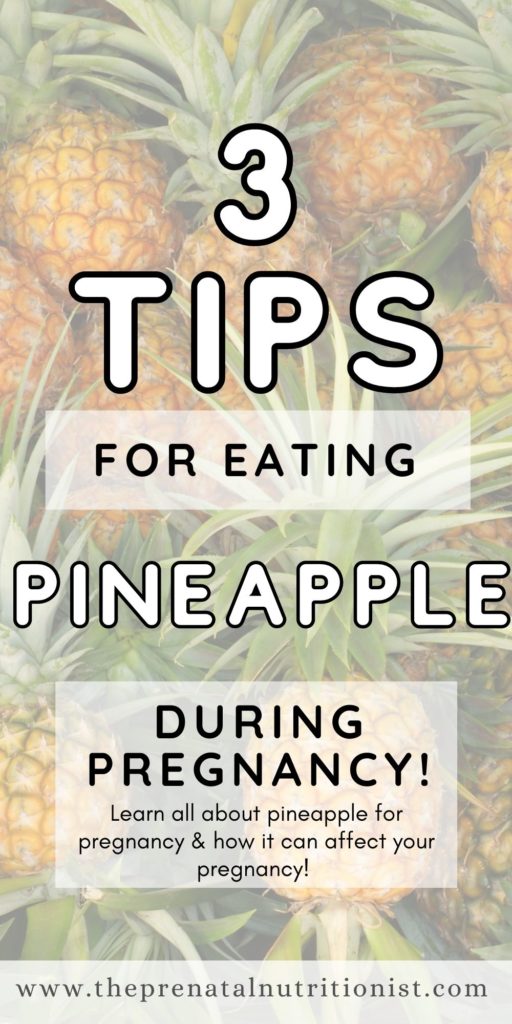
If you're a pineapple lover, don't let the myth stop you from enjoying this delicious and nutritious fruit. Here are some practical tips for including pineapple in your pregnancy diet:
Eat pineapple in moderation. A serving size is about 1 cup or 165g.
Choose fresh pineapple over canned or juiced pineapple.
Avoid eating large quantities of pineapple, especially in the early stages of pregnancy.
Pineapple can be a great way to alleviate morning sickness. Try eating a small serving of pineapple as a snack or adding it to a smoothie.
Conclusion
Pineapple is a safe and healthy choice during pregnancy. While there may be some myths and legends surrounding its effects on the uterus and pregnancy, the scientific evidence is clear: pineapple is not a cause for concern. In fact, it's a great way to support your health and the health of your baby. So go ahead, enjoy a slice (or two) of pineapple and rest assured that you're making a healthy choice for yourself and your growing baby.
FAQs
Q: Is pineapple safe to eat during pregnancy?
A: Yes, pineapple is safe to eat during pregnancy. It's a nutrient-rich fruit that provides essential vitamins, minerals, and antioxidants.
Q: Can pineapple cause miscarriage or labor?
A: No, there is no scientific evidence to support the claim that pineapple can cause miscarriage or labor.
Q: How much pineapple can I eat during pregnancy?
A: Eat pineapple in moderation. A serving size is about 1 cup or 165g.
Q: Can I eat pineapple in the early stages of pregnancy?
A: Yes, you can eat pineapple during the early stages of pregnancy, but avoid eating large quantities.