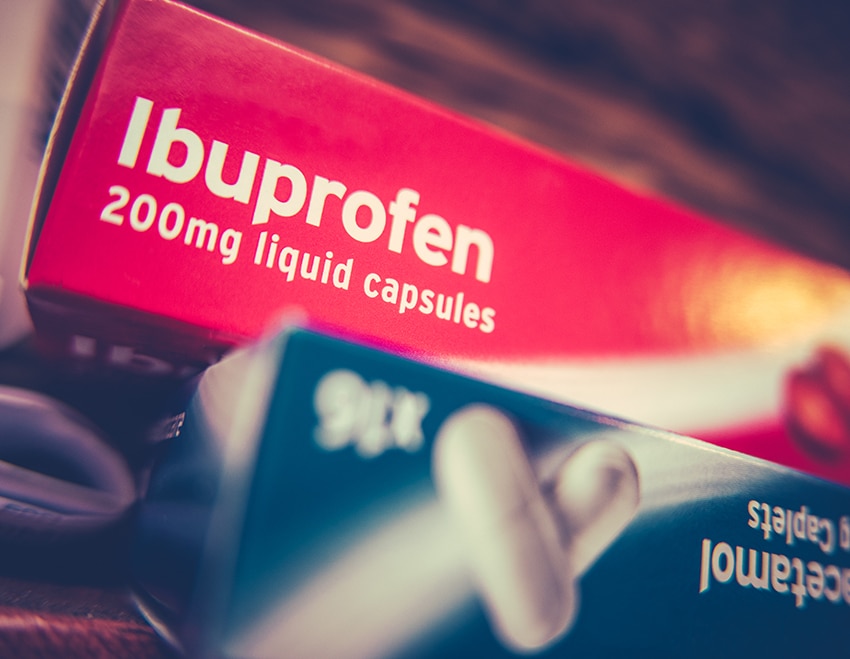
A Visual Journey and Ultimate Guide to Can I Give My Dog Ibuprofen In Its Food
Can I Give My Dog Ibuprofen in Its Food?
A Guide to the Dangers of Ibuprofen in Dogs
If you're a dog owner, you may have found yourself wondering about the safety of giving your furry friend human pain relievers, such as ibuprofen. While it may seem like an easy solution to your dog's pain, giving ibuprofen to your dog can have severe consequences.
Ibuprofen, a nonsteroidal anti-inflammatory drug (NSAID), is commonly used to treat pain and inflammation in humans. However, it is highly toxic to dogs. Even a single 200 mg tablet of ibuprofen can cause serious health issues in dogs, including:
* Stomach ulcers and bleedingCan I Give My Dog Ibuprofen In Its Food
Moving forward, it's essential to keep these visual contexts in mind when discussing Can I Give My Dog Ibuprofen In Its Food.
: Ibuprofen can cause stomach ulcers and bleeding, which can lead to serious health complications in dogs.
* Kidney damage: Ibuprofen can cause kidney damage and even failure in dogs.
* Liver damageCan I Give My Dog Ibuprofen In Its Food: Ibuprofen can cause liver damage and even failure in dogs.
* Toxicity and poisoning: Ibuprofen can be toxic and even fatal to dogs if ingested in large quantities.
What Happens if My Dog Eats Ibuprofen?
Can I Give My Dog Ibuprofen In Its Food
As we can see from the illustration, Can I Give My Dog Ibuprofen In Its Food has many fascinating aspects to explore.
If your dog eats ibuprofen, it's essential to contact your veterinarian immediately. Your vet may recommend the following steps:
* **Monitoring your dog's symptoms**: Your vet will closely monitor your dog's symptoms and overall health.
* **Supportive care**: Your vet may provide supportive care, such as fluid therapy and medications, to help manage your dog's symptoms.
* **Emetic therapy**: Your vet may administer an emetic to help induce vomiting and remove the ibuprofen from your dog's system.
* **Activated charcoal**: Your vet may administer activated charcoal to help absorb the ibuprofen and prevent it from being absorbed into your dog's system.
Safe Alternatives for Pain Relief in Dogs
If your dog is experiencing pain, there are safer alternatives to ibuprofen that your vet may recommend, such as:
* Carprofen**: A veterinary-prescribed NSAID that is specifically designed for dogs and is generally safer than ibuprofen.
* Tramadol**: A veterinary-prescribed pain medication that is specifically designed for dogs and is generally safer than ibuprofen.
* Meloxicam**: A veterinary-prescribed NSAID that is specifically designed for dogs and is generally safer than ibuprofen.
* Acupuncture and physical therapy**: These alternative therapies can help manage your dog's pain and discomfort without the use of medication.
Conclusion
Giving ibuprofen to your dog can have severe consequences, including stomach ulcers, kidney damage, liver damage, and toxicity. If your dog ingests ibuprofen, contact your veterinarian immediately for guidance and treatment. There are safer alternatives to ibuprofen that your vet may recommend, such as carprofen, tramadol, meloxicam, acupuncture, and physical therapy. Always consult with your veterinarian before giving your dog any medication or supplement.