Can I Eat Spicy Food with Intrauterine Growth Restriction?
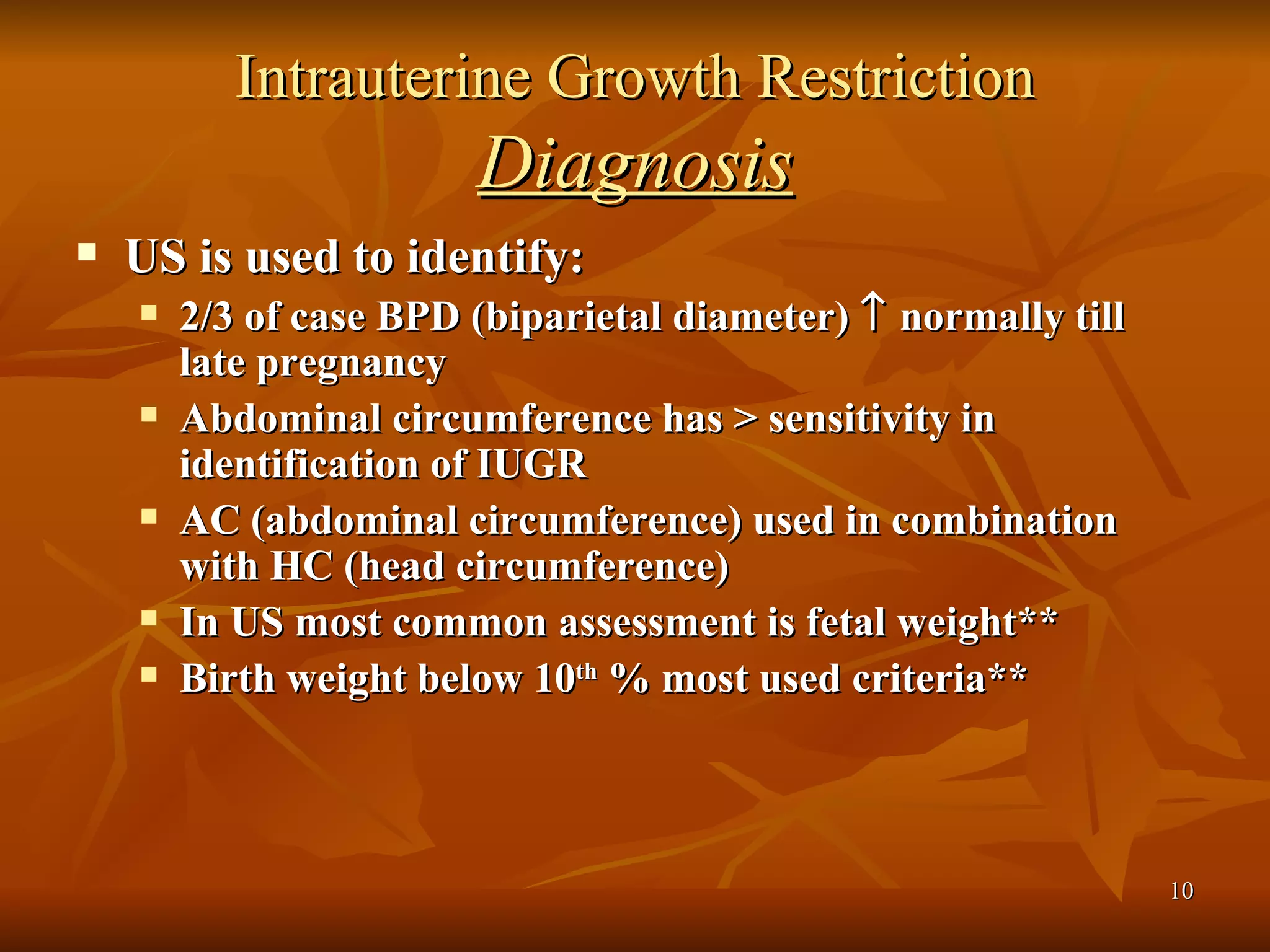
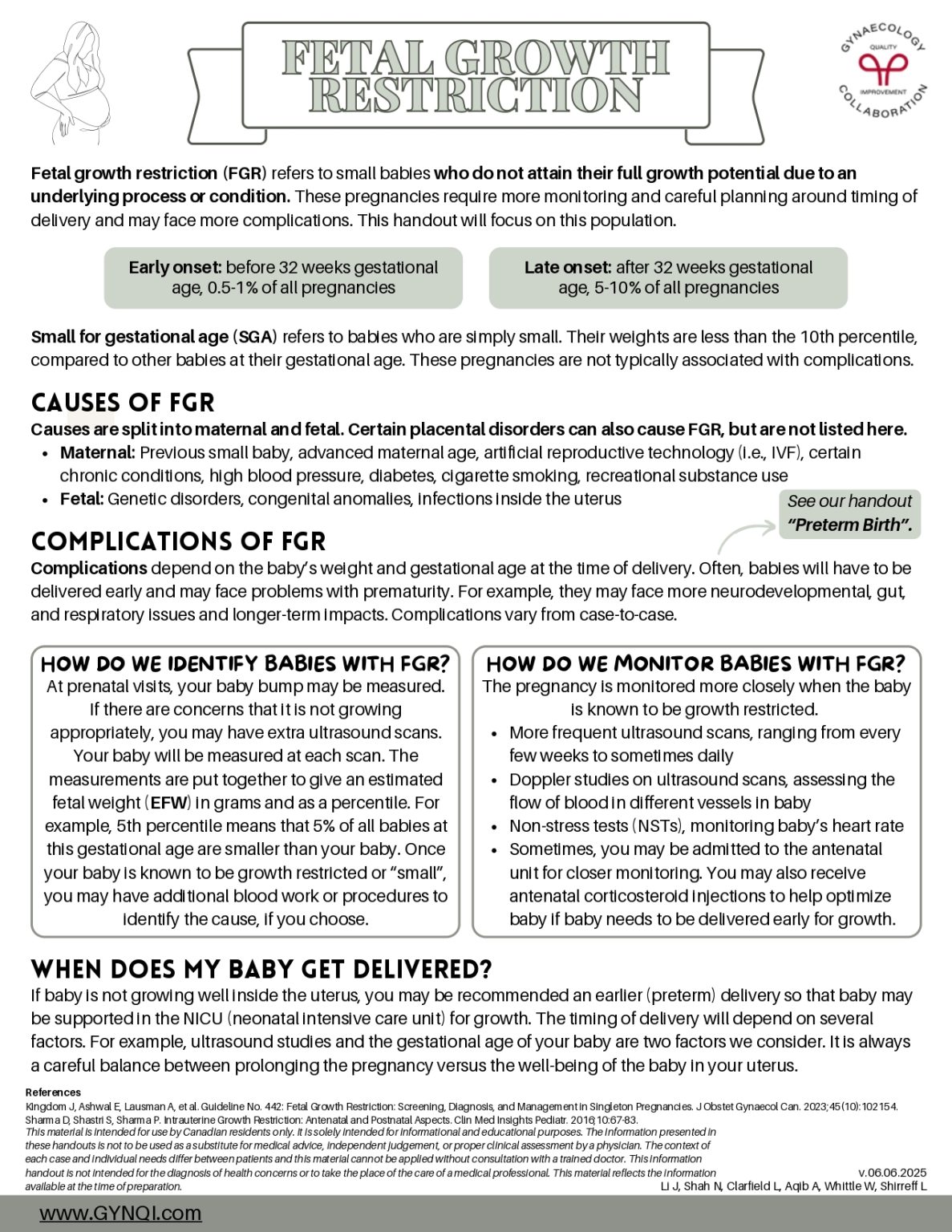
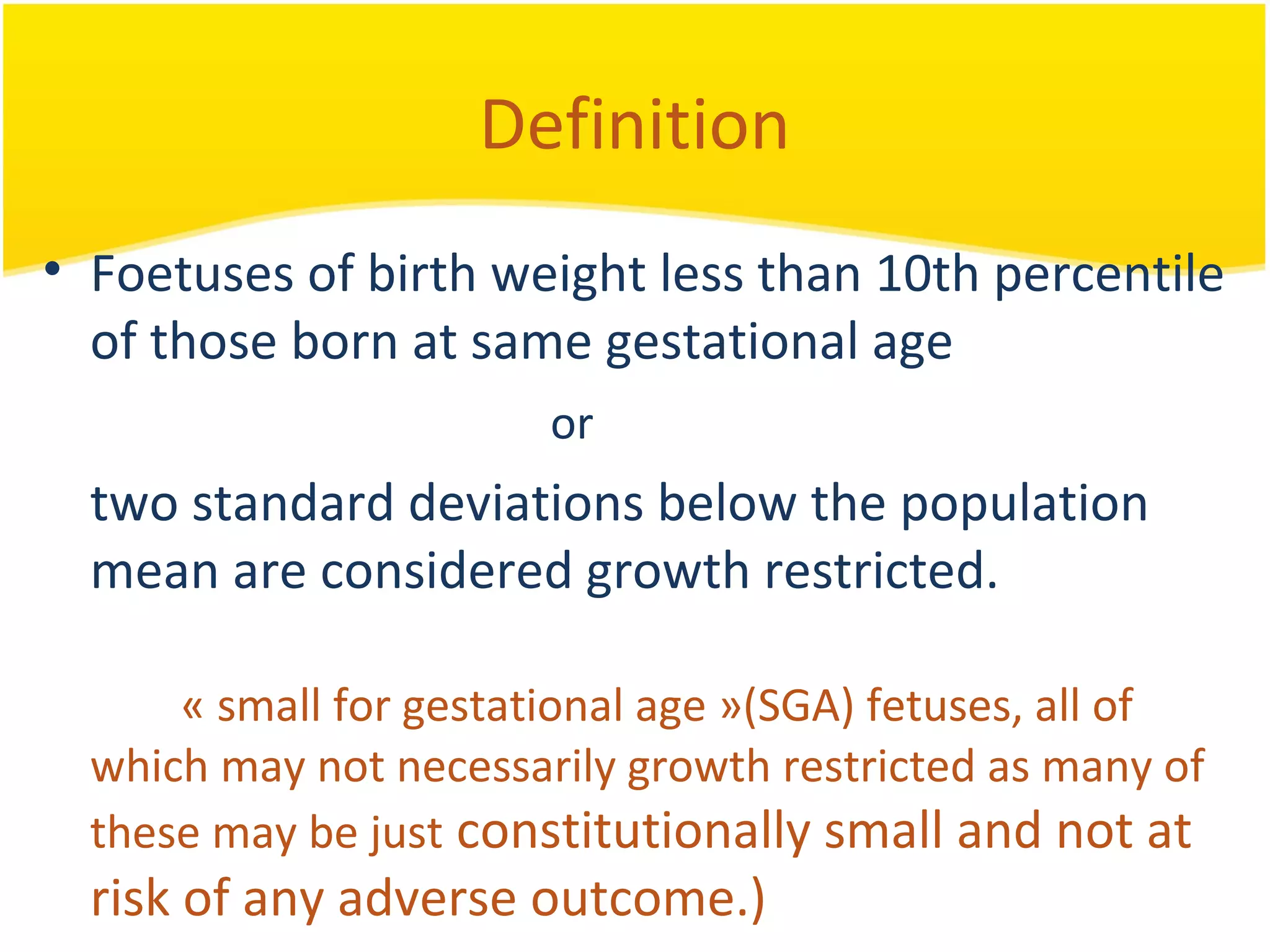
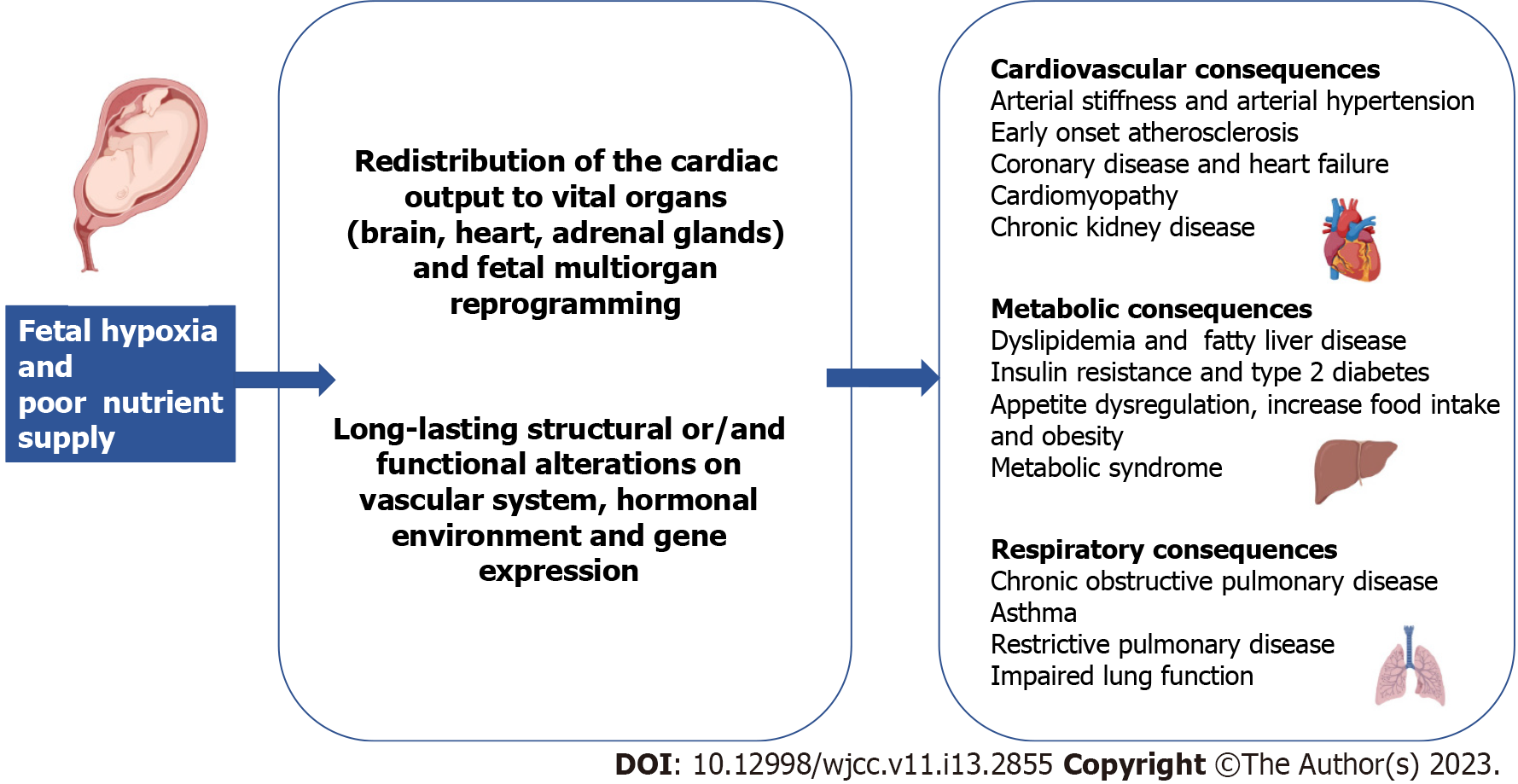
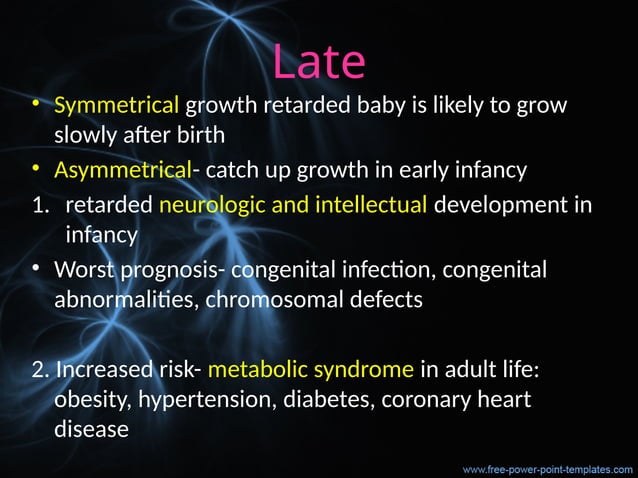
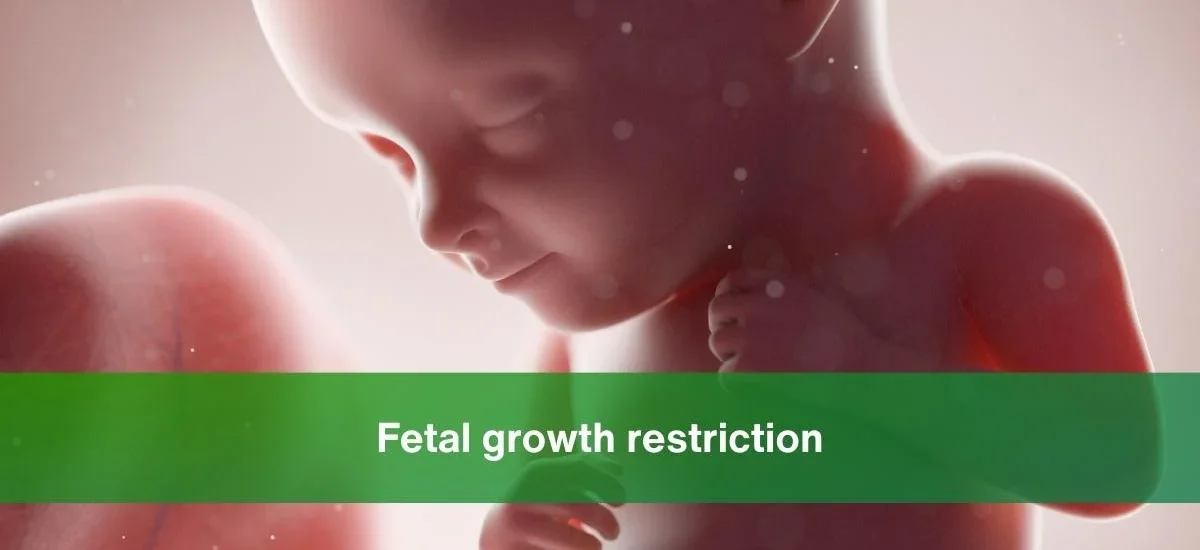
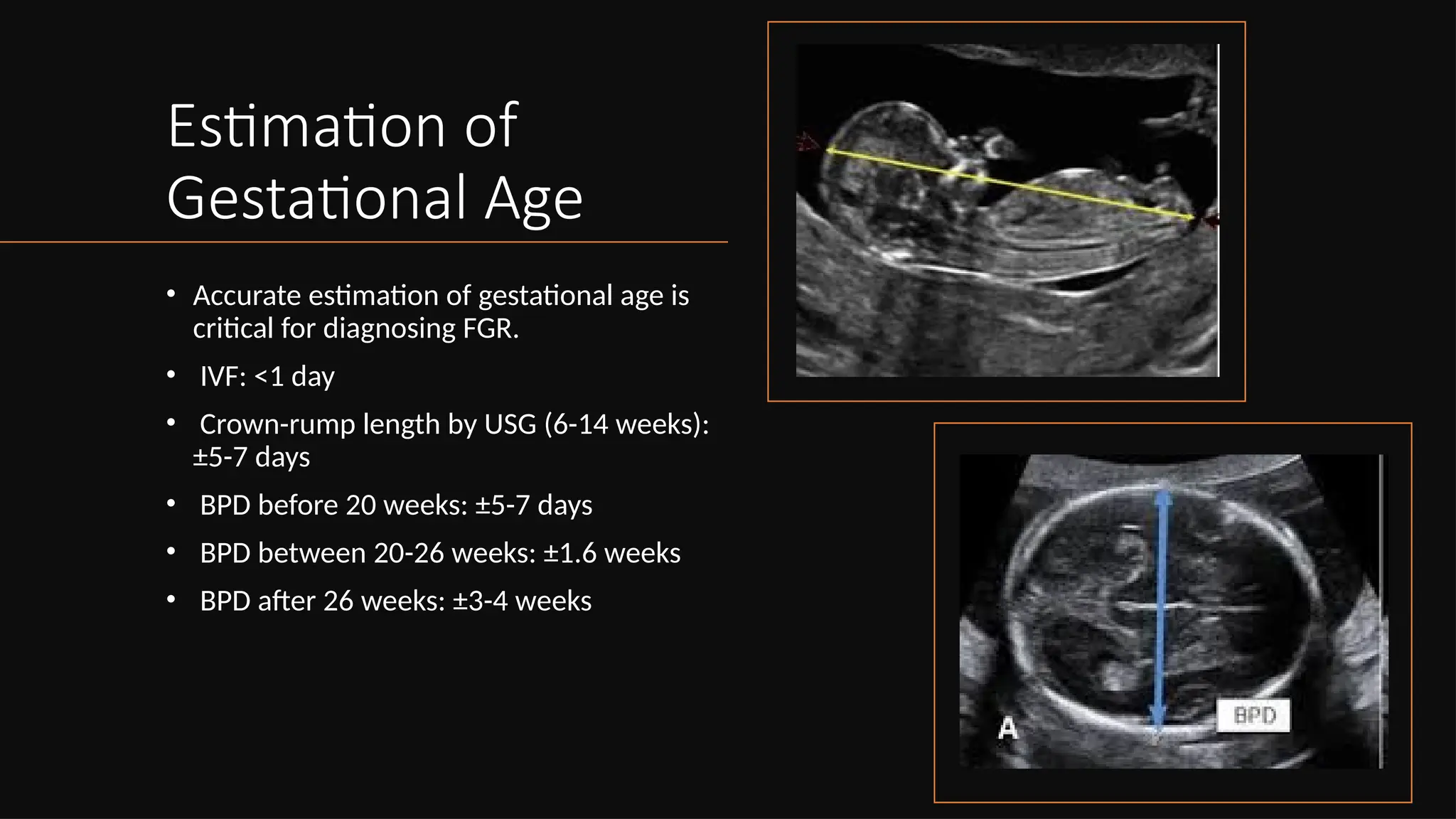
Intrauterine growth restriction (IUGR) is a condition where a fetus does not grow at the expected rate during pregnancy. This can be a concerning news for expectant parents, as it may increase the risk of health complications for both mother and baby. When it comes to managing IUGR, one of the most common questions is whether a pregnant woman can eat spicy food.
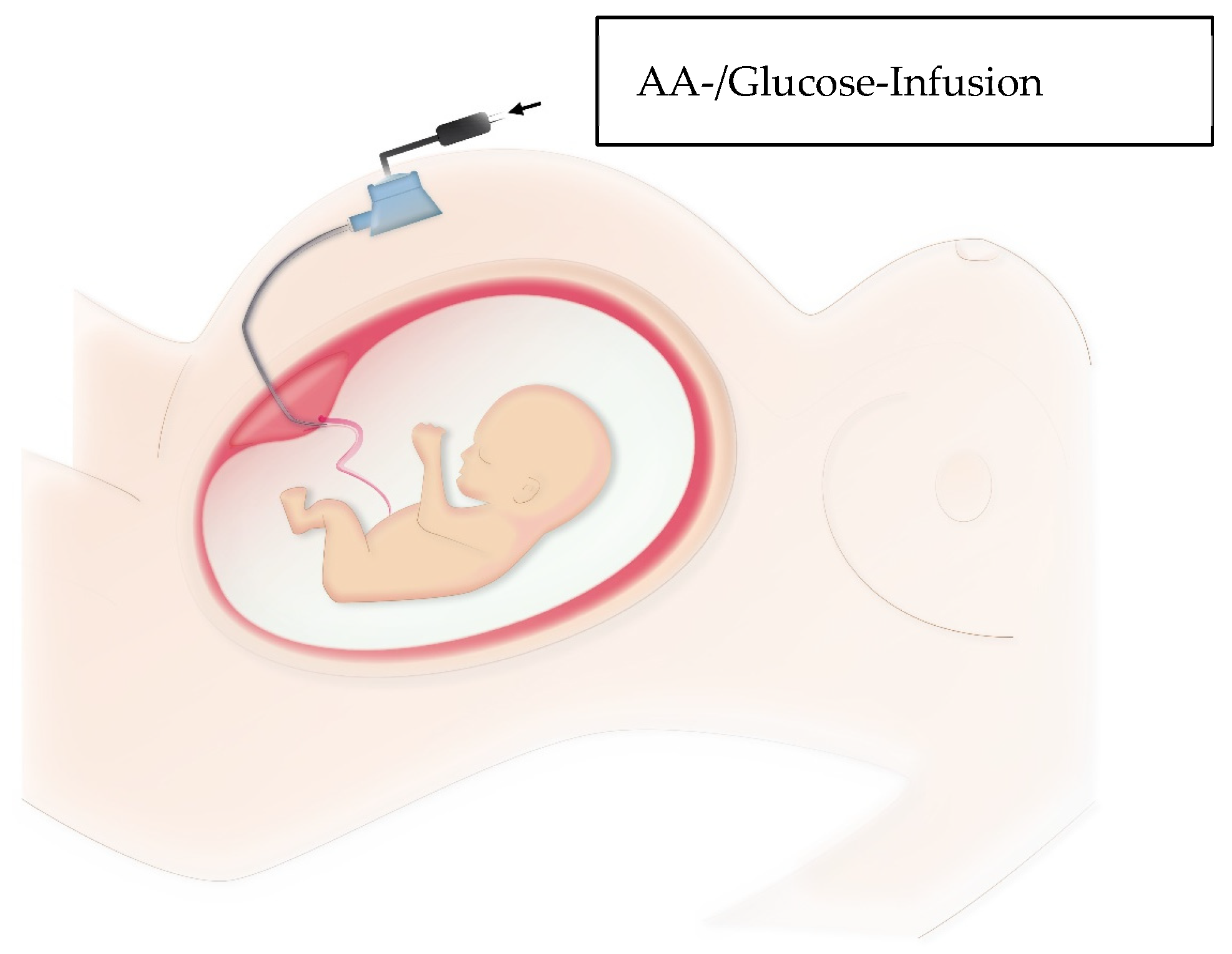
Can I Eat Spicy Food with Intrauterine Growth Restriction?
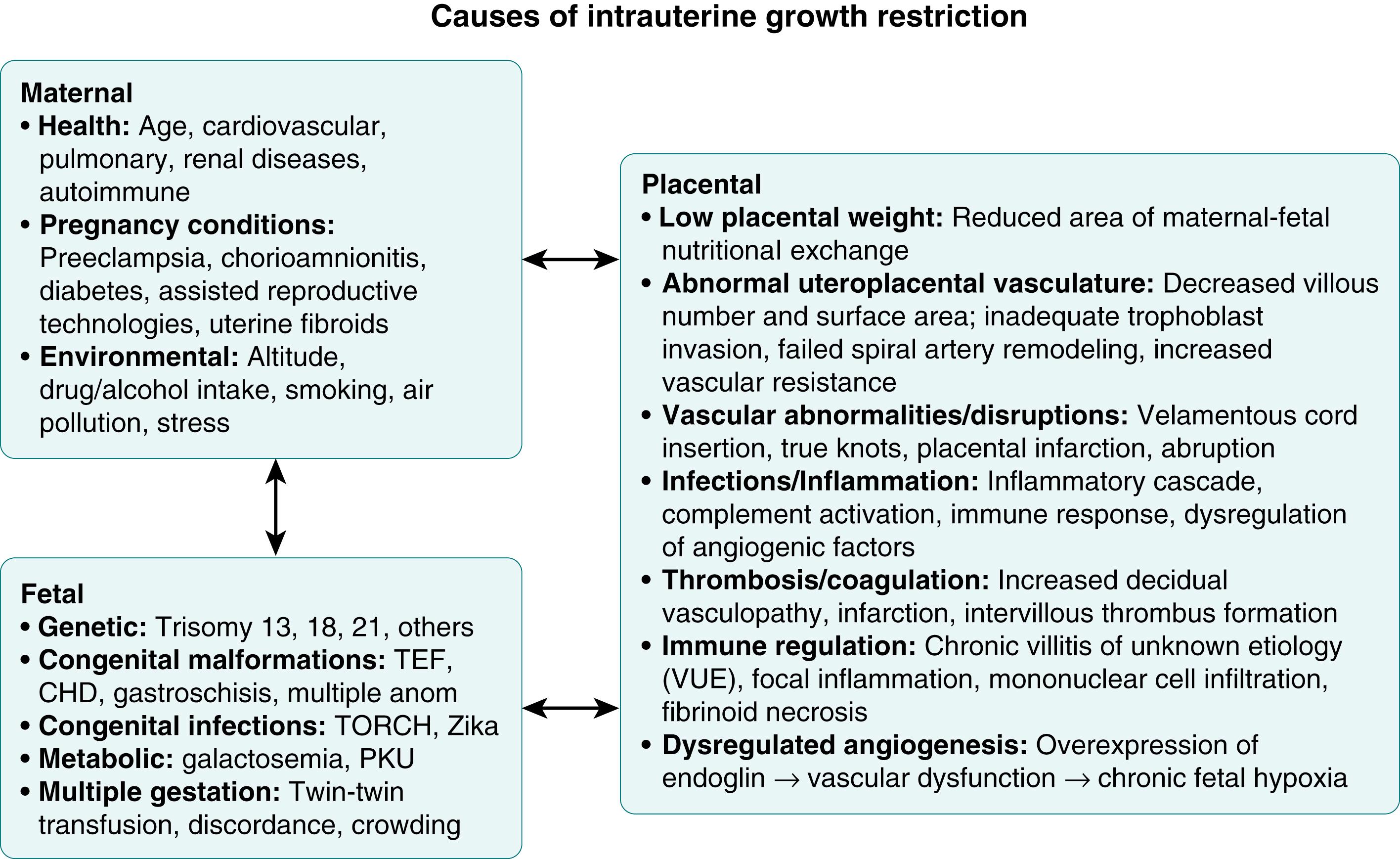
While there is no direct evidence to suggest that spicy food can impact fetal growth, there are some nuances to consider. A pregnant woman with IUGR may be advised to follow a balanced diet, rich in essential nutrients, to support the growth and development of her baby.
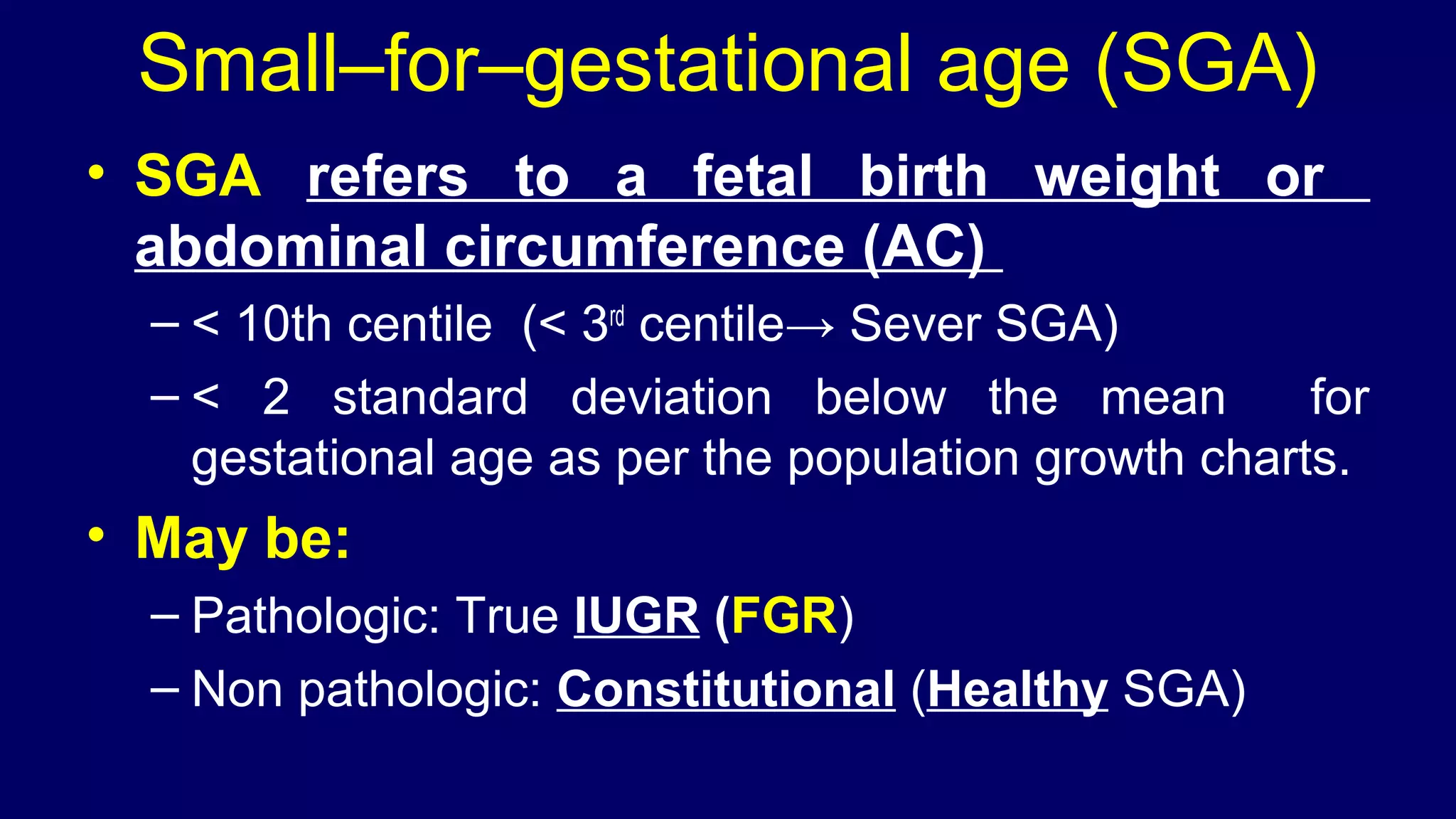
This particular example perfectly highlights why Can I Eat Spicy Food With Intrauterine Growth Restriction is so captivating.
- Increasing protein intake through lean meats, poultry, fish, and plant-based sources like beans and lentils
- Boosting folic acid intake through leafy greens, fortified cereals, and supplements
- Ensuring adequate calcium levels through dairy products, calcium-fortified plant-based milk, and green vegetables
- Maintaining healthy blood sugar levels through a balanced meal plan and physical activity
In conclusion, while there is no direct evidence to suggest that spicy food impacts fetal growth, women with intrauterine growth restriction (IUGR) should focus on maintaining a balanced diet with essential nutrients to support the growth and development of their baby. A well-planned meal plan, adequate rest, and stress management can help expectant parents navigate this complex condition and ensure the best possible outcomes for both mother and baby.